



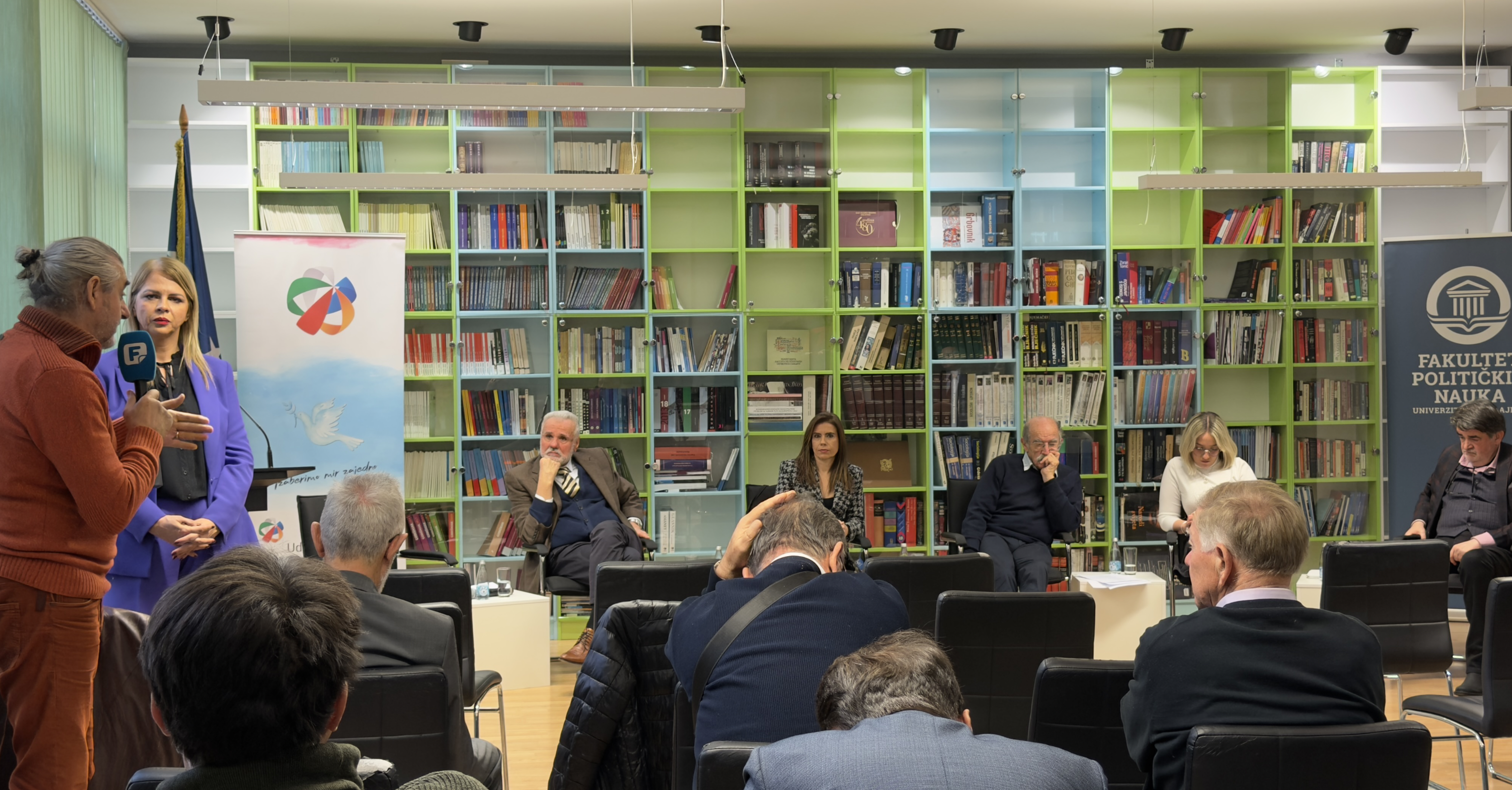
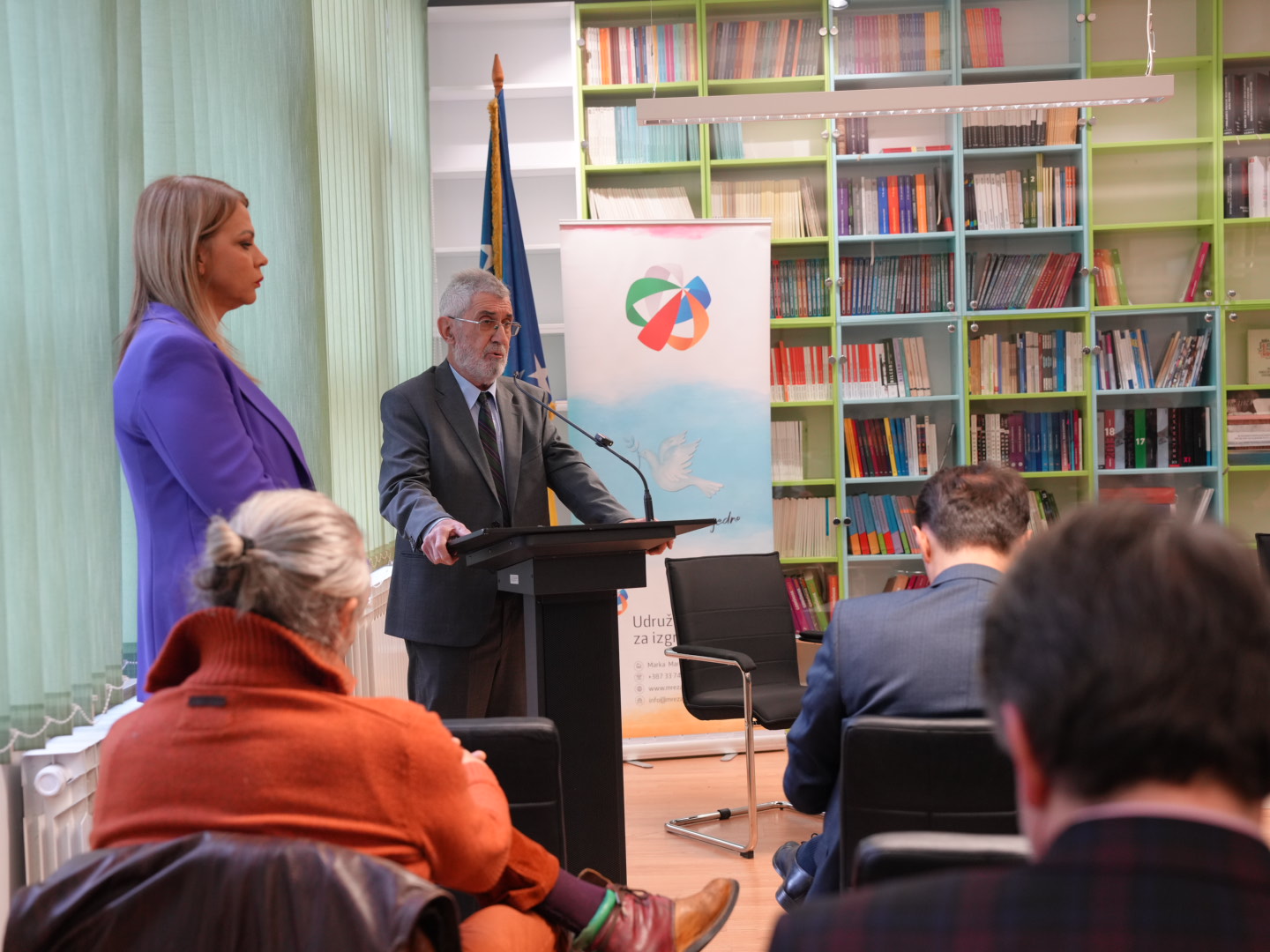
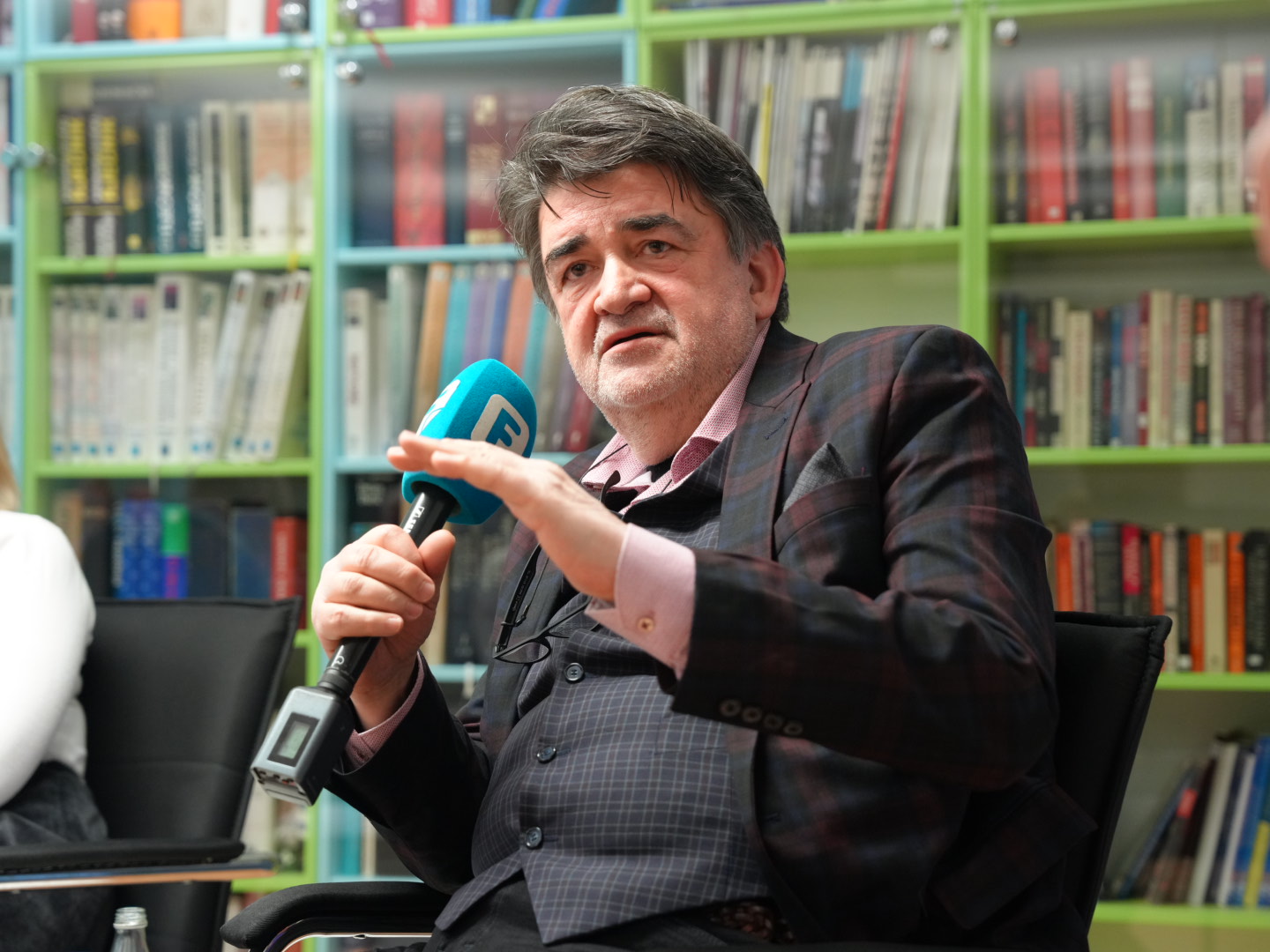
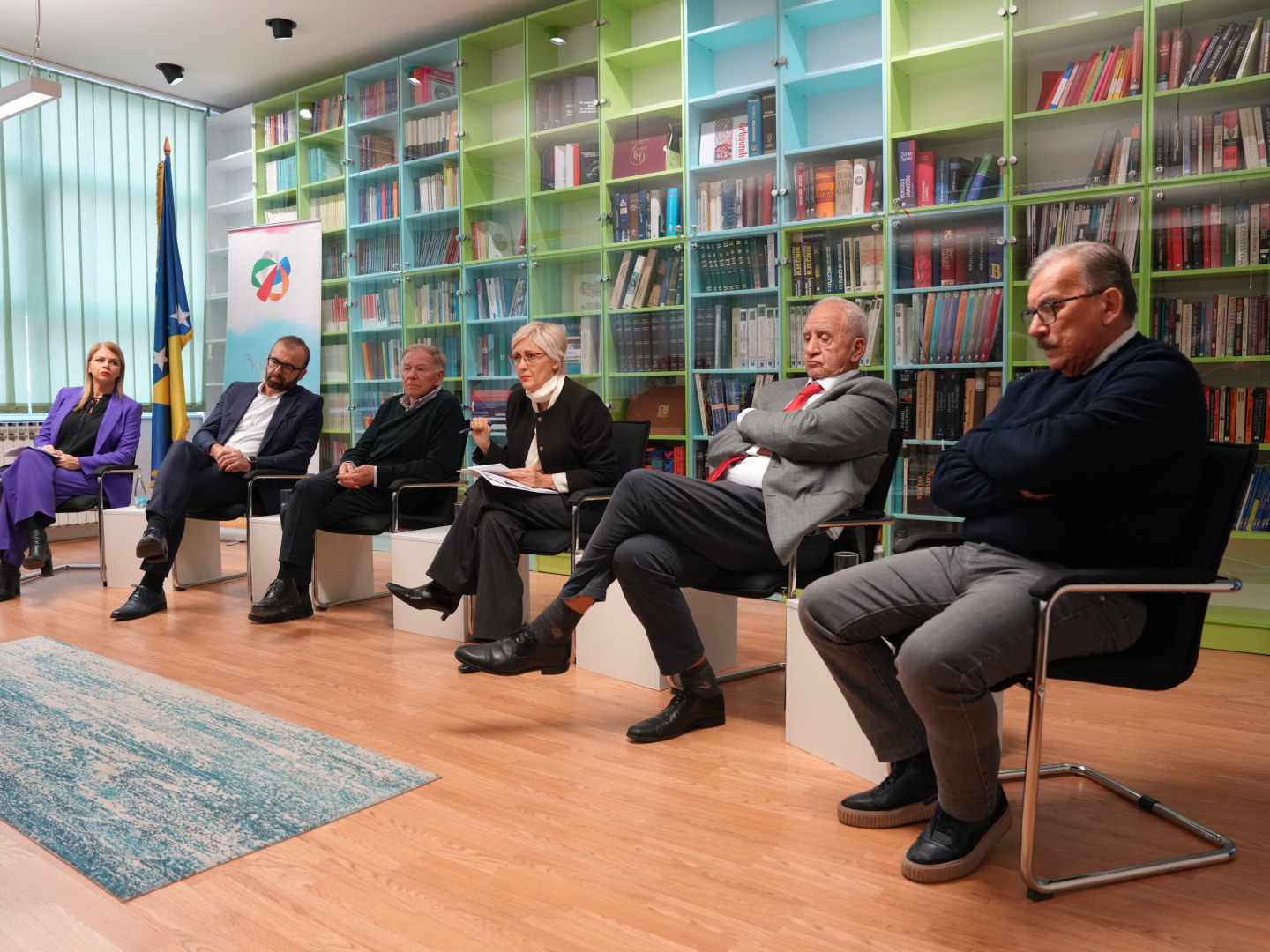
The Network Association for Building Peace, the Igman Initiative and ProPeace BiH organized an international conference at the Faculty of Political Sciences in Sarajevo on the occasion of the 30th anniversary of the Dayton Peace Agreement and the 25th anniversary of the founding of the Igman Initiative, on December 15, 2025.
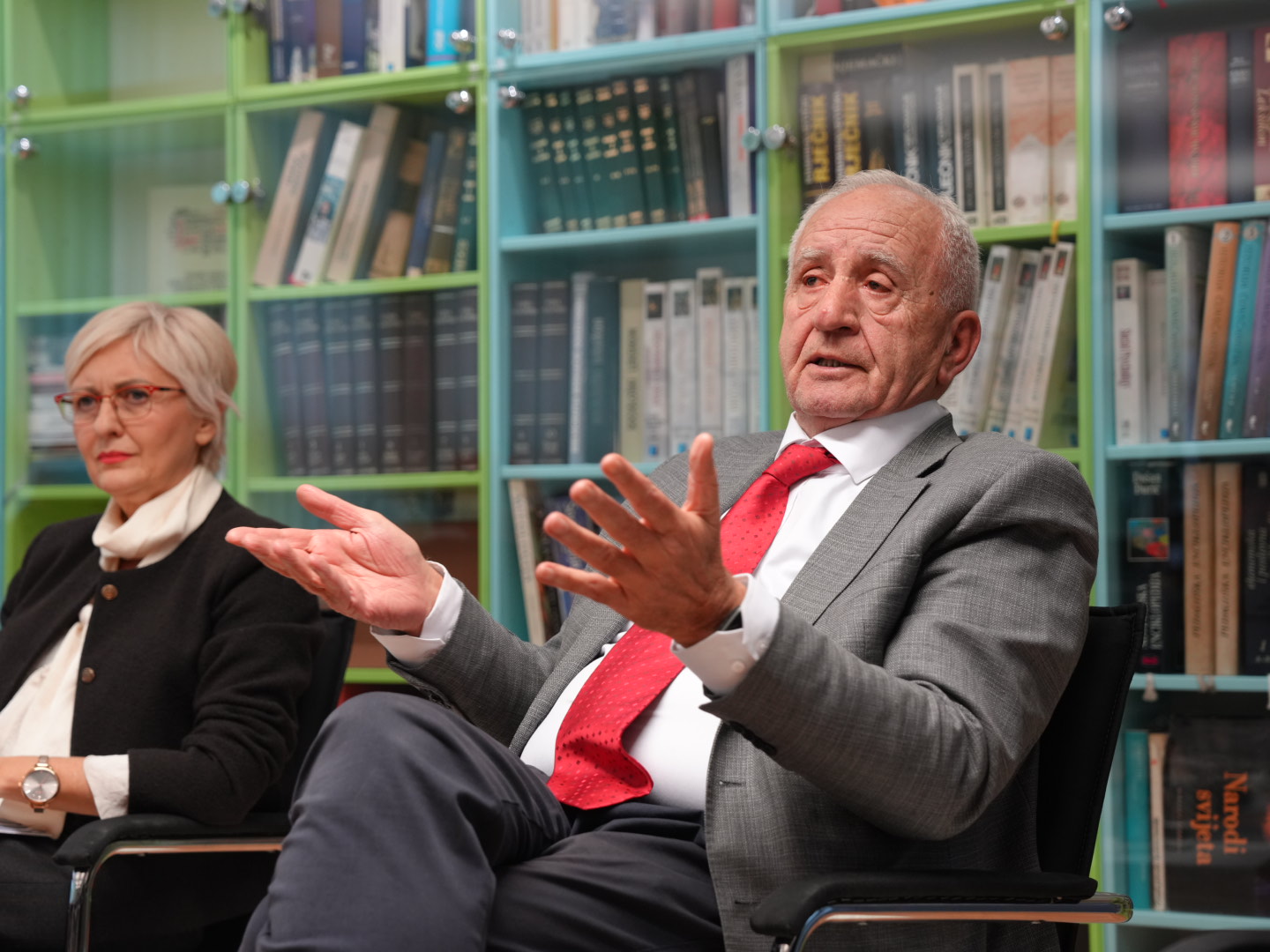
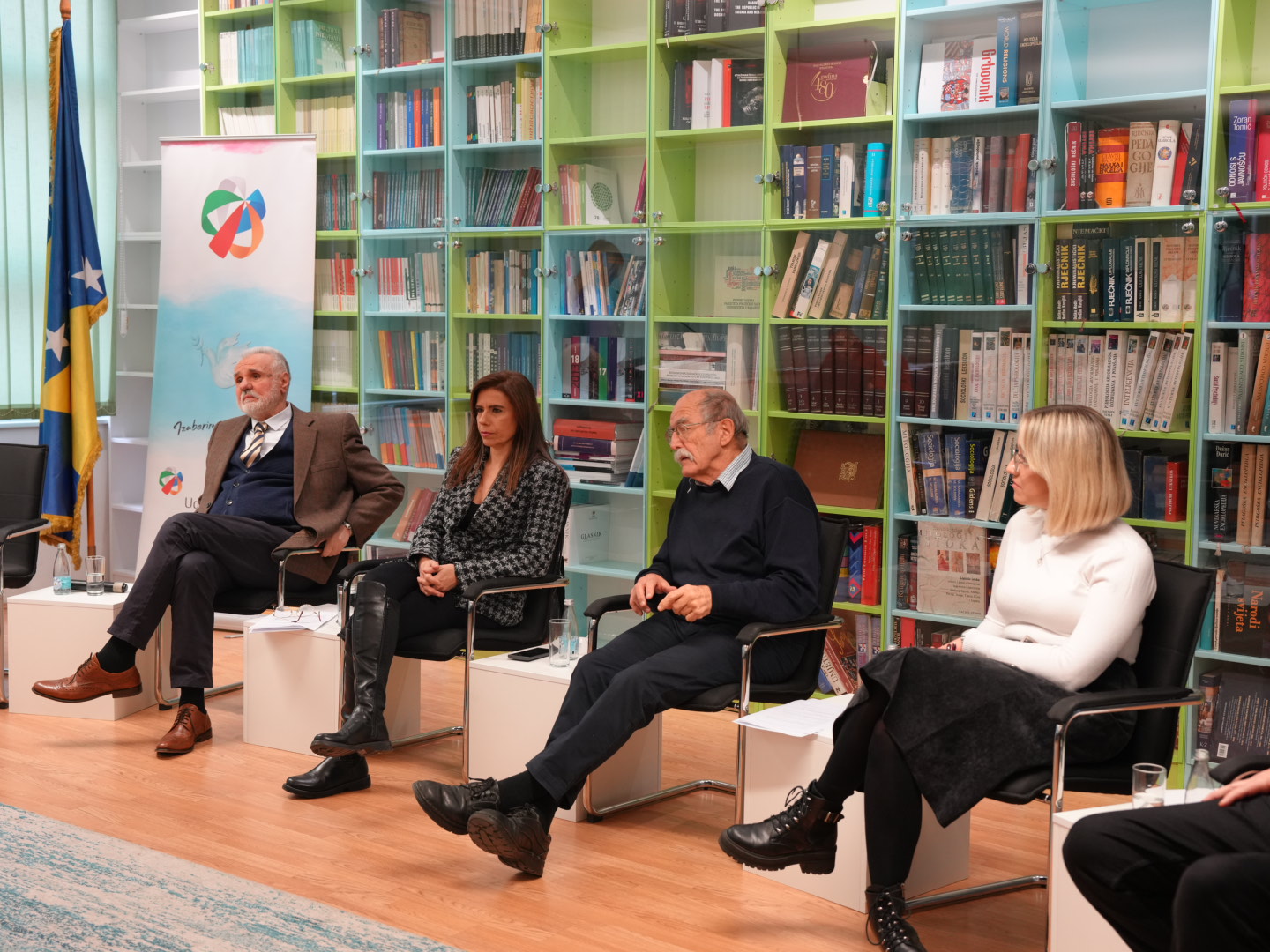
Through three panels, activists of civil society and non-governmental organizations, participants in the peace negotiations in Dayton, academics, professors and public intellectuals, opened a series of questions about the positive and negative consequences of the Dayton Peace Treaty, the growing processes of fascism in Europe and our region, and the place and role of civil society in the processes of resistance to xenophobic and chauvinistic practices through new ways of networking and opposition.
An open exchange of opinions between veterans of civil resistance in Montenegro, Serbia, Croatia and Bosnia and Herzegovina and younger colleagues crystallized the belief that civil society in the region and non-governmental organizations of an emancipatory nature are in crisis, which is the result of the triumph of the neoconservative revolution in the world and the reduction of donor support on the one hand, and on the other hand, the local disharmony of civil society actors in this unfavorable global constellation.
Nevertheless, optimism for the expansion of new “construction sites of citizenry” still remains as hope that all is not lost in our fight for a better and fairer world. Recognizing the new practices of nationalism, populism, militant patriarchy, post-fascism and neo-fascism, as well as other regressive „isms“, is the beginning of rebellion and new forms of resistance against nationalism, chauvinism and xenophobia. In this context, our insistence on preserving interstate borders, strengthening the process of cooperation, trust and reconciliation in the region, along with a strong demand to make Bosnia and Herzegovina a functional state without new ethnic and territorial divisions, remains as a guide to civil society in Bosnia and Herzegovina and the region in which direction to direct new energy, so that civil society and non-governmental organizations continue to survive and remain a relevant factor in the production of regional history.
Therefore, we invite national, regional, and above all European and EU institutional partners to, in these difficult times for the civil society and non-governmental organizations of the Western Balkans, continue with all forms of support, so that our mission and vision of better and fairer societies continues to develop, until the final goal of our countries – entry into the prosperous and solidary European Union.